pharmaceutical machineries, packing materials and


test for mold spores in the air
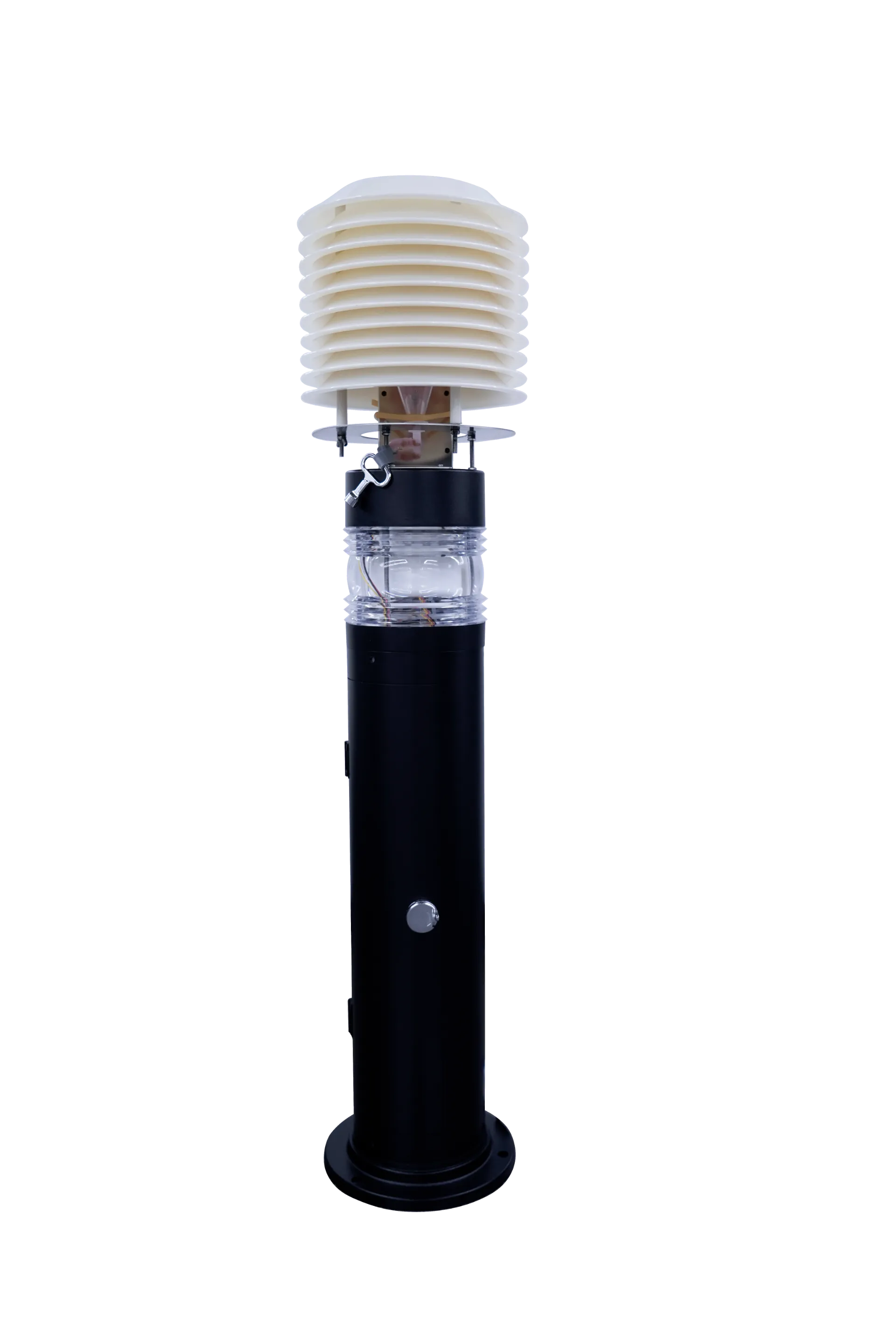
Real‑Time Insights for an air sample mold test : Field Notes from an Indoor Air Pro If you manage buildings or remediation projects, you already know mold doesn’t wait for lab reports. Real-time bioaerosol data is changing the game. I’ve spent years chasing musty complaints through schools, labs, and damp basements; the AST‑1‑2 Bioaerosol Monitoring Device has become a surprisingly practical tool in that chase. It measures fluorescence to flag biological particles, sizes them, and—here’s the kicker—streams trends as they unfold. Why real-time mold intelligence matters Traditional spore traps are useful, but they’re snapshots. Moisture events are dynamic. With continuous classification of fungi, pollen, and bacteria, we can pinpoint when a air sample mold test spikes, tie it to HVAC cycles, and validate fixes same day. Many customers say this cuts “mystery odor” time from weeks to hours. Product snapshot: AST‑1‑2 Bioaerosol Monitoring Device Origin: FLOOR 7, NO.1588 HUHANG ROAD, SHANGHAI, CHINA. The unit uses laser-induced fluorescence to infer biological content, alongside optical sizing and morphology features. In plain English: it can tell you “these look fungal” and “they’re roughly 2–5 μm” in near real time. Measurement Single-particle fluorescence + optical size (≈0.5–30 μm) Flow rate around 1–2 L/min (real-world use may vary) Data Counts by size bin, fluorescent intensity, morphology proxy Interfaces Local display, CSV/API export, network-ready Certs (typical) CE, RoHS; factory QA under ISO 9001 Service life Laser module ≈5–7 years; annual calibration recommended Where it shines Schools, offices, and healthcare facilities (IAQ baselining and moisture response) Restoration jobs (validate drying/cleaning before re-occupancy) Food and pharma clean areas (early warning when fungal counts drift) Museums/archives (sensitive materials + humidity swings) Process flow for a rigorous air sample mold test Plan: Map sources/returns and outdoor reference; define dwell times (ISO 16000 guidance). Calibrate: Zero check with HEPA cap; verify particle sizing (ISO 21501-4 principles). Deploy: Place at breathing zone, avoid walls; log RH/temperature concurrently. Monitor: Track diurnal patterns; tag events (cleaning, HVAC on/off). Corroborate: When fluorescence surges, pull a parallel cassette for microscopy or qPCR (confirm species). Report: Compare to outdoor; document corrective measures; retain QA/QC. Vendor/Method comparison (what pros actually use) Option Time to result Detection Pros / Cons AST‑1‑2 (real-time) Seconds Fluorescent bioaerosols; size 0.5–30 μm Pro: trend insight, rapid feedback. Con: classification, not species ID. Spore trap cassette + microscopy 24–72 h Morphotypes, counts/m³ Pro: widely accepted. Con: snapshot; operator variability. qPCR (targeted) 1–3 days DNA of specific taxa Pro: species-level. Con: cost; needs targets; no live/dead distinction. Customization and integration Teams often request alarm thresholds (say, 2–5 μm fluorescent counts exceeding outdoor by 2×), REST API feeds to dashboards, or custom inlet options for high-humidity areas. Firmware can be tuned for smoothing windows; to be honest, a little filtering goes a long way in windy entrances. Mini case study: school wing with a mystery leak Baseline outdoor fluorescent 2–5 μm: ≈800 counts/m³. Classroom peak after HVAC start: 2,300 counts/m³, with concurrent RH spike to 68%. Post duct cleaning and dehumidification, peaks dropped by ≈68% within two days. Follow-up spore trap identified elevated Cladosporium consistent with the timing—it lined up nicely. One facility manager said, “We finally knew when to look.” Standards, QA, and practical notes Use ISO 16000 series for planning/sampling concepts; EN 13098 for workplace bioaerosols. For particle sizing performance, align with ISO 21501-4 verification routines. Document calibration, zero checks, and any parallel lab methods (AIHA/ISO-accredited labs). Remember: a air sample mold test is stronger when fluorescence trends, microscopy, moisture readings, and occupant logs all point the same way. Customer feedback: “Fast setup, immediate graphs. We used to wait a week to confirm a hunch.” “Surprisingly sensitive during night setbacks.” References WHO Guidelines for Indoor Air Quality: Dampness and Mould. EPA: Mold Remediation in Schools and Commercial Buildings. AIHA: Recognition, Evaluation, and Control of Indoor Mold (Field Guide). ISO 16000 series: Indoor air — Part 1 et seq. (strategy, sampling, reporting). EN 13098: Workplace atmosphere — Measurement of airborne microorganisms. ISO 21501-4: Light scattering airborne particle counter calibration and performance.
Our newsletters, the latest information about our products, news and special offers.
Click for manual-
 personnel
The company introduces a large number of talents, researches projects and is responsible for customers
-
Research
Professional research project team for different customer needs
-
technology
New technology transformation mode,research high quality products


The application prospect of bioaerosol sampler will further grow.